The fear is loud. Will AI take jobs? Will entire roles disappear? Will human expertise become irrelevant? These questions have dominated headlines, boardroom conversations, and career anxiety for the better part of the last two years. The reality unfolding inside actual workplaces is considerably more grounded and considerably less dramatic. AI is not eliminating human work. It is changing what human work looks like, which skills it rewards, and where human judgment becomes the decisive factor rather than an optional layer on top of automation. Understanding the difference between those two things is increasingly the most important professional distinction there is.
Productivity Has Always Been About Removing the Wrong Work
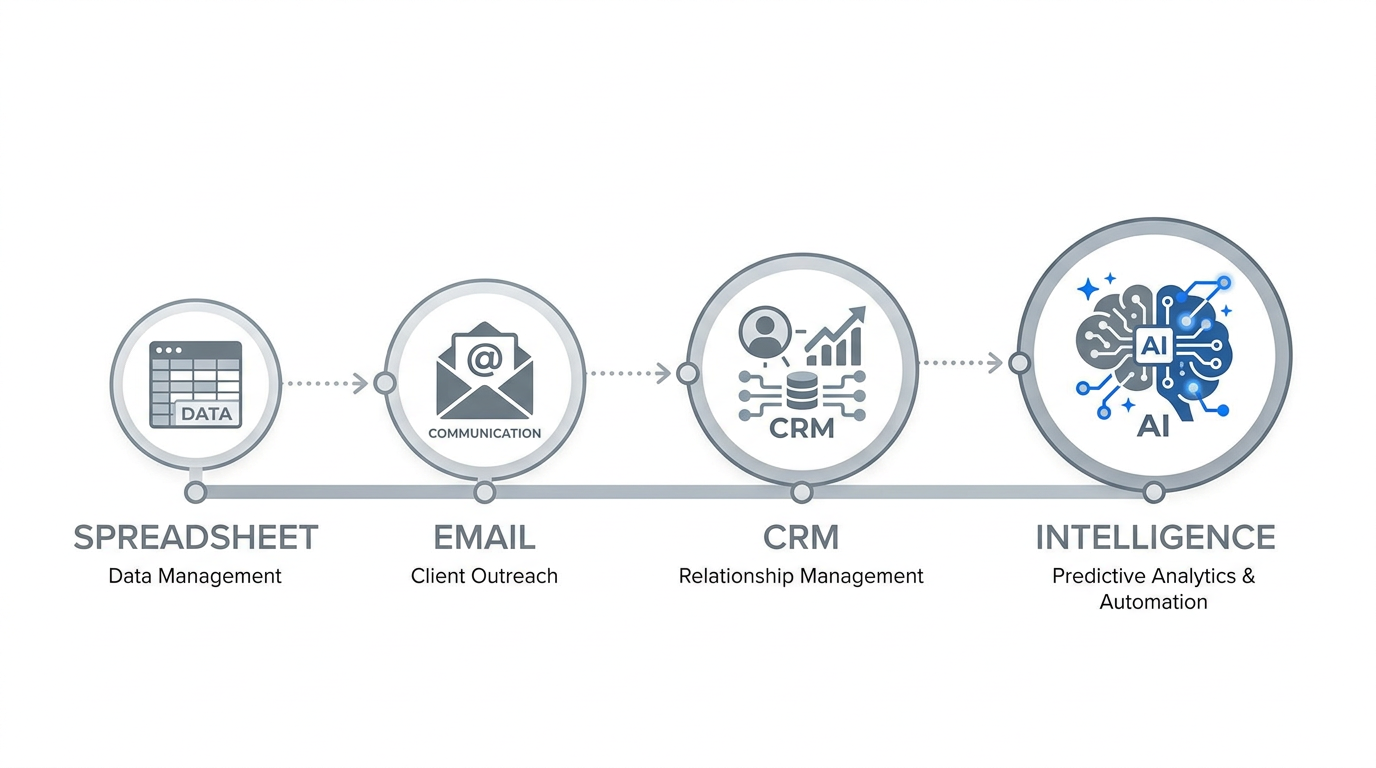
Every major productivity leap in the history of knowledge work has followed the same pattern. A new tool appears, takes over a category of work that was consuming human time and cognitive energy without producing proportional value, and frees people to focus on the work that actually requires human judgment. Spreadsheets automated calculation and gave accountants the space to focus on analysis. Email compressed communication cycles and accelerated decision-making. CRMs centralized customer data and shifted sales teams from record-keeping to relationship-building. Automation tools removed repetitive workflows and pushed teams toward strategic oversight. AI follows the same pattern but the category of work it is taking over is larger. Not physical labor, not arithmetic, not data entry but the entire layer of cognitive work that is repetitive, time-consuming, and mentally draining without being genuinely complex. Drafting, summarizing, formatting, searching, synthesizing. Work that requires intelligence to do but does not require human intelligence specifically. By handling that layer reliably and at scale, AI clears mental bandwidth for the work that does require human intelligence specifically: decision-making, strategy, creativity, and the kind of judgment that comes from understanding context in ways a model never fully can.
Where Generative AI Actually Delivers Value
Generative AI performs best when it is treated as an assistant rather than an authority. Its genuine strengths are consistency, speed, and the ability to process large volumes of unstructured information without fatigue or distraction. It converts raw, unstructured information into clear and digestible summaries. It produces first drafts that humans can refine, personalize, and redirect. It helps professionals explore alternative approaches, structures, and framings that might not have been the first instinct. It accelerates research by identifying patterns across data volumes that would take human teams days to process manually. What makes these applications valuable is not just that they are fast it is that they are consistently fast, without the performance variation that comes from human tiredness, distraction, or shifting priorities. AI provides reliable momentum through the preparation phase of work. It does not define direction. Humans decide.
What This Looks Like Inside Enterprise Platforms
In enterprise tools like Salesforce, AI has been deliberately designed as a workflow assistant something that enhances what people can do, not something that operates independently of human oversight. In customer support, agents handle complex cases involving long histories of emails, chats, internal notes, and escalations. AI can summarize the entire case history automatically, surface the key actions already taken, and suggest potential next steps based on patterns from similar resolved cases. The agent responds faster, with full context, without spending twenty minutes reading back through a thread. The empathy, judgment, and accountability remain entirely human. In sales, AI summarizes account activity before meetings, flags risks and opportunities from historical data, and drafts follow-up communications for human review. The preparation happens faster. The relationship remains human. In both cases, the pattern is identical: AI handles the work that precedes the decision. Humans retain ownership of the decision itself.
Why AI Still Needs Humans, and Always Will
The capabilities AI lacks are not technical gaps waiting to be closed with the next model release. They are structural absences that reflect what AI fundamentally is a pattern-recognition and generation system trained on historical data, without genuine understanding of the present context it is operating in. AI does not intuitively grasp business nuance the organizational dynamics, the unspoken constraints, the relationship history that shapes what a technically correct answer actually means in practice. It does not understand emotional or situational context in the way that determines whether a response builds trust or erodes it. And it takes no responsibility for outcomes which means every consequential decision made with AI input requires a human who understands what they are approving and why. Successful organizations treat AI as a thinking partner, not an autonomous actor. Human review, validation, and judgment are not redundant checkpoints on top of AI output they are the layer that makes AI output usable in environments where accuracy, trust, and compliance actually matter.
What Is Actually Changing in the Workplace
AI is not eliminating jobs overnight. What it is doing, steadily and visibly, is reshaping how work gets distributed within organizations. Existing teams are taking on greater scope without proportional headcount increases. Demand for purely administrative roles is declining. Demand for skills that AI cannot replicate analytical thinking, clear communication, contextual judgment, the ability to ask the right questions is increasing. The professionals gaining the most from this shift are not the ones with the most technical sophistication. They are the ones who have learned to direct AI with clarity and intent, evaluate its outputs critically rather than accepting them passively, and apply their own judgment to translate AI assistance into decisions that the organization can actually trust and act on.
The Risk Nobody Is Talking About Clearly Enough
The real risk is not AI replacing employees. The real risk is treating the question of adaptation as optional deciding that the current way of working is fine while every process, expectation, and competitive standard around it is quietly shifting. The advantage in this transition belongs to individuals and organizations that engage with AI early, use it responsibly, and develop the judgment to know when to trust it, when to override it, and when the situation requires something it simply cannot provide. That judgment is not something AI can give you. It is the thing you bring to the partnership.
A Redefined Way of Working
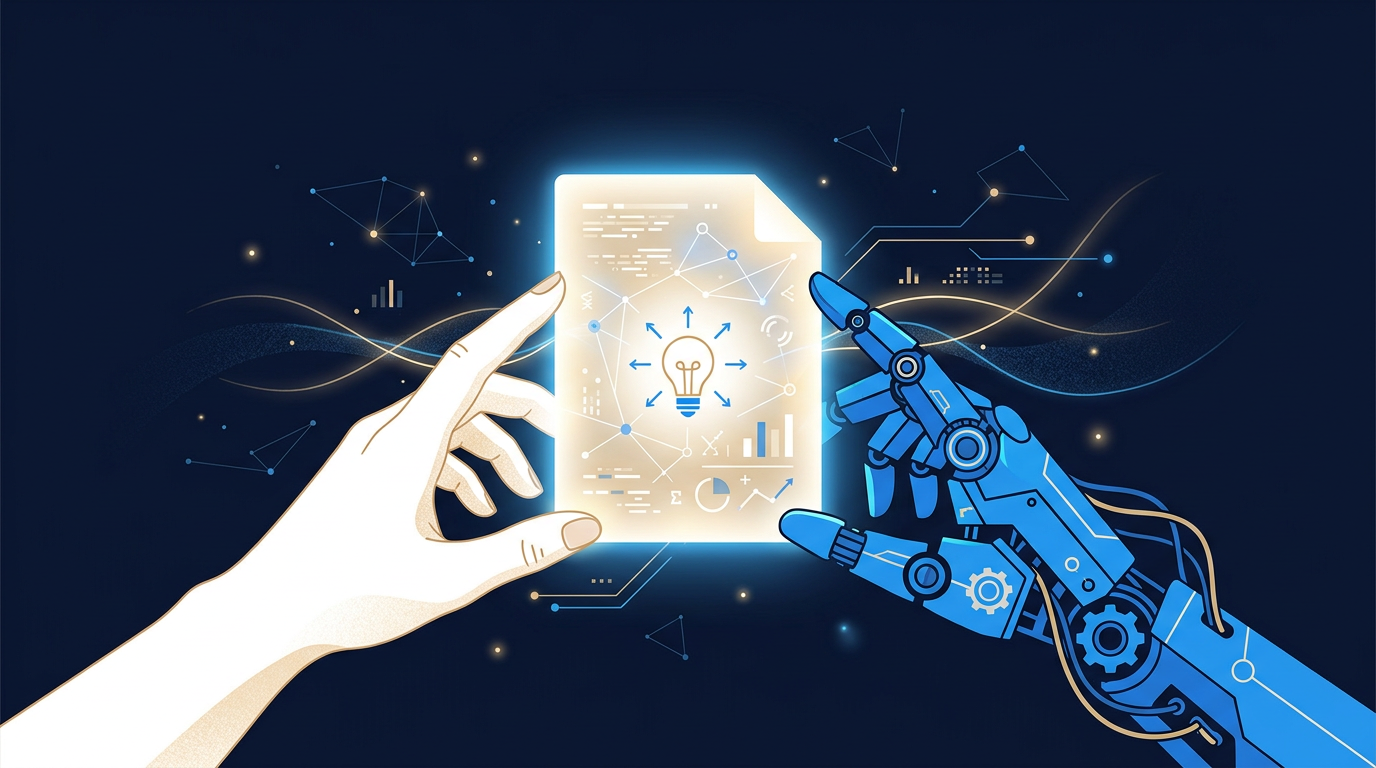
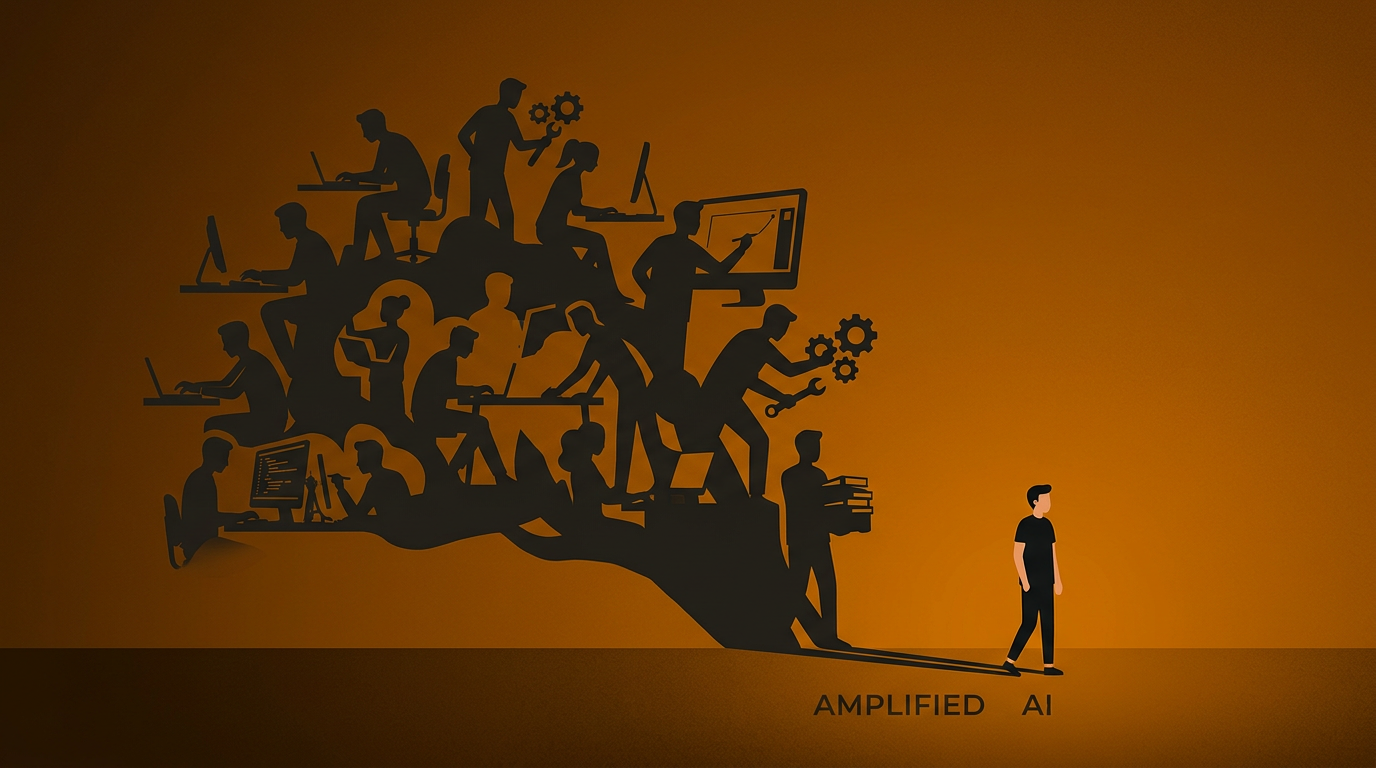
AI is not the end of human work. It is the next chapter of it one where the work humans do is more focused, more strategic, and more genuinely valuable because the layer of work that consumed time without creating proportional value has been reliably offloaded. The future of work is not human versus AI. It is human capability amplified by AI with the people who understand that distinction holding a compounding advantage over those still debating whether the change is real. It is real. The question worth spending time on is what you are going to do with it.