Why does Google feel “done” when it loads?
Why does Instagram feel impossible to put down?
Why did the iPhone change the world, when similar ideas already existed?
The answer isn’t just good design or good technology.
It’s layers, Seven of them.
Let’s go down the rabbit hole, from tiny details you never notice to billion-dollar product decisions.
Modern tech products, from smartphones to SaaS platforms, feel effortless on the surface, but they are powered by deep systems like cloud computing, distributed data centers, and constant optimization to reduce latency.
What users experience is not technology itself, but a carefully designed human experience, one where complexity is hidden and usability feels natural.
Level 1: Small Details That Tell Your Brain “It Works”
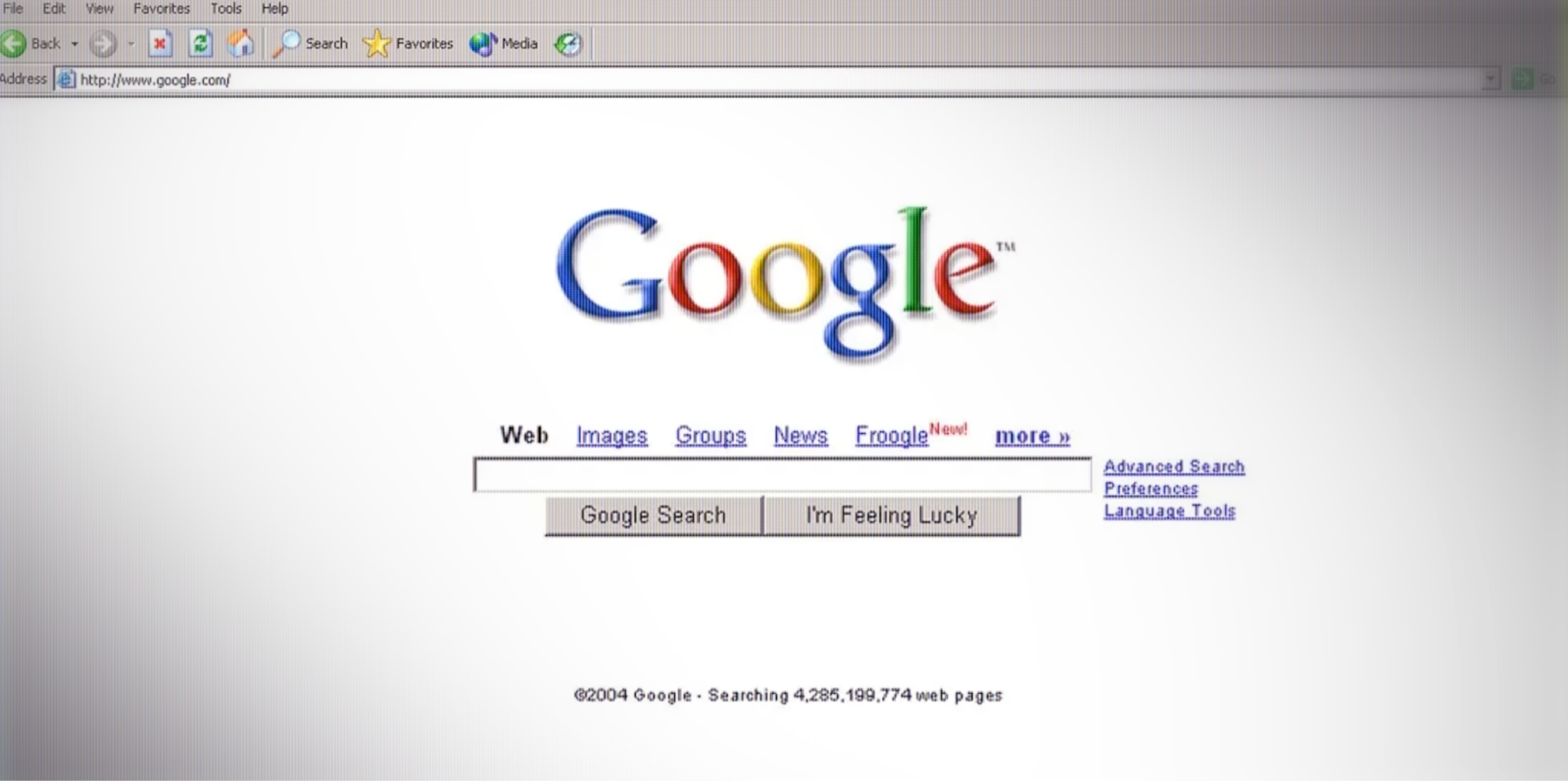
When Google first launched, users thought the page hadn’t finished loading.
Not because it was slow, but because it looked too empty.
So Google added a tiny copyright line at the bottom.
Legally useless, but psychologically important.
That one line told users: “The page is ready.”
People instantly started typing.
That’s Level 1.
Level 1 design isn’t about looking good.
It’s about making things feel obvious without thinking.
The best Level 1 details are invisible, and that’s why they work.
These micro-signals reduce cognitive load and improve usability, especially for first-time users who don’t want to think, they just want things to work.
Level 2: How Products Behave Like Humans
Level 2 is not about how things look, it’s about how they react.
Imagine you’re on a call with your bank.
You open the banking app and it warns: “This is not us calling you.”
The app understands context:
- You’re on a call
- You opened the app at the same time
That’s Level 2.
Another example: Google Maps.
Pinch-to-zoom needs two fingers, which is awkward when you’re walking or riding.
So Google added a one-finger zoom (double tap, hold, drag).
You don’t get instructions.
It just feels right once you discover it.
The most famous Level 2 interaction?

Just an action that feels natural — and today powers infinite feeds worth billions.
Level 2 design makes products feel alive, not mechanical.
On mobile devices, especially smartphones, these subtle interactions matter even more because users are often distracted, walking, or using one hand.